
How Uterine Fibroids Can Affect Your Fertility
Did you know that 30% of all women have fibroids by the time they’re 30? While fibroids are incredibly common, for some women, they can be a cause of infertility, especially when their location affects the uterus. We asked Dr. Charles E. Miller to help us better understand how fibroids affect fertility and the recommended treatment options.
Why Fibroid Location Matters
The problem lies in where the fibroids are located. Fibroids in the uterine cavity or near the cavity are particularly concerning when it comes to fertility.
In the past, we always recommended surgery for women with fibroids in the cavity. But over the years, we’ve learned that fibroids near the cavity can be just as problematic.
Back in the 1990s, I conducted a study on women who were either miscarrying or unable to get pregnant and had fibroids within 4mm of the endometrial cavity. After surgery, 70% of them went on to have a successful delivery.
Treatment Options for Fibroids
Surgery remains the primary mode of treatment for fibroids that need to be removed. The approach depends on the size and location of the fibroid:
- If the fibroid is in the cavity or small and close to the cavity, we typically remove it using a procedure called hysteroscopy. This involves placing a small telescope into the uterus and removing the fibroid without any incisions.
- When the fibroid is firmly in the muscle wall or is larger, it needs to be removed laparoscopically. At our practice, we take great pride in performing these procedures minimally invasively.
Unfortunately, at other places, fibroids are sometimes removed via a mini laparotomy, a small but still open incision, similar to a C-section cut. My concern with this method is that it increases the risk of scar tissue, which can further impact fertility.
The Bottom Line
If you’re having trouble achieving a successful pregnancy and you have fibroids, don’t wait. Seek out a specialist with the expertise to evaluate and treat those fibroids properly.
I absolutely recommend a hysteroscopic or laparoscopic approach whenever possible. It’s effective, minimally invasive and gives women the best chance at a healthy pregnancy.

Understanding Menopause: Real Talk About What’s Happening And What You Can Do
Menopause is a major life transition, but for many women, it can feel confusing, frustrating and even a little scary. That’s why Dr. Molly McKenna recently gave a presentation all about understanding what’s happening in your body and treatment options available.
Here’s a recap of what she shared.
What Is Menopause?
Menopause marks the permanent end of menstrual periods after the ovaries stop releasing eggs. It’s officially diagnosed after 12 months of no bleeding.
The average age for menopause is 51, but symptoms and changes can begin much earlier.
Definitions:
- Perimenopause: The transitional time leading up to menopause, where hormone levels begin to fluctuate.
- Menopause: The moment 12 months have passed without a period.
- Postmenopause: The time after menopause.
- Primary Ovarian Insufficiency: When menopause-like symptoms occur before age 40.
What to Expect: Common Symptoms
Menopause doesn’t affect everyone the same way, but hot flashes are the most common symptom. Dr. McKenna estimates 95% of her patients have them.
Other common symptoms include:
- Vaginal dryness or discomfort (reported by 10–40%)
- Sleep disturbances
- Mood changes like irritability, anxiety, or depression
- Changes in libido
These symptoms are not just "in your head," they are a real response to shifting hormones.
Do You Need Tests?
Sometimes, blood work can be supportive, but it’s important to remember that hormone levels fluctuate daily and this is merely a snapshot in time. One helpful marker is an elevated FSH (follicle-stimulating hormone), especially levels above 15–25 IU/L during the menopausal transition.
But diagnosis is primarily based on your symptoms and menstrual history.
Treatment Options: You Don’t Have to Live with the Symptoms
Let’s be clear: You do not have to tough out these symptoms. There are several options available, depending on your needs and health history.
1. Lifestyle Changes
Healthy habits, like regular exercise, sleep hygiene and balanced nutrition, can help support your body during this time.
2. Non-Hormonal Medications
- SSRIs/SNRIs like Venlafaxine (Effexor) and Paroxetine (Paxil) can significantly reduce hot flashes (up to 62% improvement).
- Gabapentin, although off-label, has shown up to 45% symptom reduction in clinical trials.
- Fezolinetant (Veozah) is a newer, non-hormonal option.
3. Herbal and Natural Remedies
Some women report symptom relief from:
- Black Cohosh
- Evening primrose oil
- Ginseng
- Soy products
- Vitamin E
However, keep in mind the evidence for effectiveness is mixed.
4. Hormonal Therapy
Hormone therapy is still the most effective treatment for hot flashes, vaginal dryness, and bone loss prevention. Options include:
- Estrogen (oral, patch, gel, vaginal)
- Progesterone (needed if you still have a uterus)
Dr. McKenna emphasizes:
- Use the lowest effective dose for the shortest necessary time.
- Risks (like breast cancer) typically don’t increase until after 5+ years of use.
- Vaginal estrogen is a low-risk, localized option with no systemic absorption and it is safe for nearly everyone! This is one of Dr. McKenna’s favorite options.
Key Takeaways from the North American Menopause Society
- Hormone therapy is safe and effective for most women under 60 and within 10 years of menopause.
- Transdermal estrogen (patch or gel) may lower the risk of blood clots and stroke.
- Hormone therapy can be continued after age 65 if symptoms persist and benefits outweigh risks.
- Be cautious with compounded bioidentical hormones as they are not regulated by the FDA and may vary in dose or quality.
Menopause doesn’t need to feel overwhelming or isolating. Whether you’re in perimenopause, postmenopause or somewhere in between, you deserve real answers and personalized care.
Dr. McKenna and our team are here to support you every step of the way with compassionate care, up-to-date treatments and no judgment.
Have questions or symptoms you’re struggling with? Schedule a consultation with our team. You’re not alone and you don’t have to figure this out by yourself.
How Endometriosis Affects Fertility: Causes, Symptoms, Diagnosis and Treatment
We spoke with Dr. Laurence Jacobs, a reproductive endocrinologist with over 30 years of experience, to explore how endometriosis impacts fertility and how to recognize the signs of this often misunderstood condition.
How Does Endometriosis Affect Fertility?
Endometriosis can make it much more difficult to get pregnant. In fact, 20-50% of all infertile women have endometriosis, making it a prevalent issue in reproductive health.
One of the main ways endometriosis affects fertility is through scar tissue formation. When endometrial tissue grows outside the uterus, it can create scar tissue, adhesions and inflammation around the ovaries and fallopian tubes. This can often distort the normal anatomy of the pelvis, making it harder for the fallopian tubes to move over to the ovary and pick up the egg during ovulation.
Endometriosis can also interfere with ovulation. Endometriomas, which are cysts formed by endometriosis growing deep within the ovaries, can disrupt ovulation by affecting both the development and/or release of eggs. Additionally, some research suggests endometriosis can negatively affect the egg quality due to the inflammatory environment it creates within the pelvis.
Another concern is embryo implantation. The inflammation caused by the endometriosis can make it more difficult for the embryo to successfully implant within the uterine endometrial lining, leading to infertility or recurrent pregnancy loss.
The severity of endometriosis plays a significant role in its impact on fertility.
- Stages 3 or 4 (more advanced endometriosis) involve severe adhesions and endometriomas, which can have a major impact.
- Stages 1 or 2 (milder cases) may only involve small implants of endometriosis, which can still affect fertility but to a lesser degree.
The stage, severity and location of lesions and implants all play a significant role in how endometriosis affects fertility.
How Can You Tell If You Have Endometriosis?
The most common symptoms of endometriosis include:
- Pelvic pain
- Moderate to severe menstrual cramps
- Pain during sexual intercourse
Although some women with endometriosis have no symptoms at all. A pelvic exam can sometimes reveal signs of endometriosis, such as hard nodules at the bottom of the pelvis.
Ultrasound is another useful tool for identifying endometriosis. Endometriosis growing very deep inside the ovaries, can form a cyst called an endometrioma and these cysts can be seen on ultrasound. However, most smaller implants of endometriosis cannot be seen on ultrasound. Ultrasound can only detect advanced stage 3 or 4 endometriosis, while smaller implants and adhesions seen in Stage 1 or 2 may not be visible.
How Is Endometriosis Diagnosed?
Symptoms and signs of endometriosis and even ultrasounds can make one suspicious of endometriosis, but the only way to definitively diagnose the condition is through laparoscopy. A laparoscopy is a minimally invasive procedure that allows a surgeon to look inside the pelvis using a laparoscope, which is a thin, telescopic rod with a video camera on the end. Not only can laparoscopy surgery confirm endometriosis, but the procedure can treat it as well.
Why does surgical expertise matter?
Because advanced endometriosis (Stage 3 or 4) often involves severe adhesions affecting the ovaries, intestines, bladder and ureter, it is highly recommended that the laparoscopy be performed by a skilled reproductive surgeon rather than a general gynecologist.
- A skilled reproductive surgeon can both diagnose and remove endometriosis in one procedure.
- You don’t want to undergo surgery just for diagnosis, only to need a second procedure for treatment.
- A less experienced surgeon may leave some endometriosis behind or be unable to treat complex adhesions.
New Advances in Endometriosis Testing
In the last seven years, innovative diagnostic measures have been developed to help determine if a woman with no symptoms or ultrasound evidence might have endometriosis. It also helps physicians decide who would be a good candidate to undergo laparoscopy.
Back in the 1980s and 1990s, it was standard procedure that everyone with infertility undergo laparoscopy, but now we try to be much more selective. The ReceptivaDX test, an endometrial biopsy performed in the office, checking or sampling the uterine lining, measures a protein called BCL6, a marker usually associated with endometrial uterine inflammation and potentially silent endometriosis.
An abnormal biopsy result usually means there is endometriosis or inflammation in the pelvis. This biopsy can be very helpful for women who have no symptoms, evidence of endometriosis on ultrasound or unexplained fertility.
Seeking Expert Care
If you think you might have endometriosis, it is imperative to seek out an experienced reproductive surgeon specialized in treating advanced endometriosis. In my opinion, Dr. Charles Miller, Dr. Kirsten Sasaki, and Dr. Molly McKenna are among the best reproductive surgeons for endometriosis treatment in the Midwest. Their expertise ensures that patients receive the highest level of care for both diagnosis and treatment, improving their chances of achieving a successful pregnancy.
Request a consultation or call 630-428-2229 to schedule.
May 10 is Dr. Miller Day!
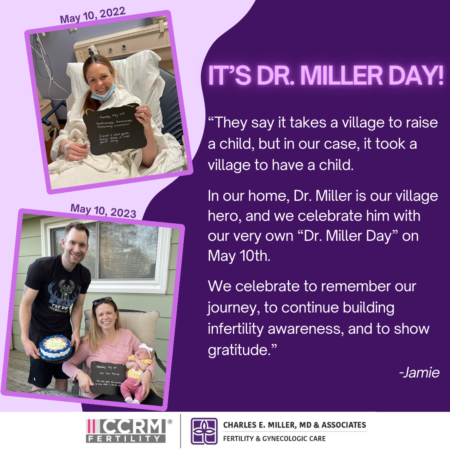
Did you know May 10th is Dr. Miller Day? Neither did we, until our patient, Jamie, shared that she created this special day to remember her fertility journey, the support she received from her “village” and of course the doctor who helped her become a mom!
Jamie writes:
Our fertility journey started as most do, with a lot of hope and a lot of disappointing negative pregnancy tests. During my initial testing, I found out I had 2 fibroids and one was very large. Although I kept asking about the large one, I was told by 3 different doctors that they weren’t an issue and was encouraged to start IUI or IVF.
Although reluctant, we started planning on how and when to move forward. Through that process, we started applying for grants. While looking at the grant application, I started reading into how it would be scored. In the fine print, I noticed certain types of fibroids would disqualify us from the grant, and that is because they can make IVF less successful. This made me, once again, question my fibroid. I told my husband that I wanted to find an expert opinion to rule out the fibroid causing my fertility issues before beginning any treatment. I started to research fibroid experts, and one name kept coming up again and again in my search, Dr. Charles Miller.
In April 2022, during my consultation with Dr. Miller, I expected to hear, once again, that the fibroid was “fine.” Dr. Miller recommended surgery, and on May 10th, 2022 he successfully removed both fibroids. We spent the next few months healing, trying to enjoy life, appreciating what we have, and planning our next steps to bring home a baby of our own.
In August 2022, I returned to Dr. Miller’s office, and he told me that things healed well and we could start trying again. During that same month, I was on pins and needles hoping to hear that we got the IVF cycle grant. However, less than three weeks after my follow-up visit with Dr. Miller, our jaws dropped when we got our positive pregnancy test! It was clear that the fibroid was what had been causing my infertility, and if we hadn’t done our research and sought out Dr. Miller’s expertise, we would have spent thousands on IVF without any success.
On April 17, 2023 our miracle baby girl, Fontana, was delivered via c-section. We cannot thank Dr. Miller enough for taking his time to listen to our concerns, truly evaluating the fibroid and its impact, and for his flawless surgery. Without Dr. Miller, we wouldn’t have had a first birthday to celebrate last month.
This Friday we will celebrate our second Dr. Miller Day. This year we took the time to reflect and appreciate those who were a part of our village by writing cards to family, friends, and those strangers who supported us during our darkest days of infertility. Each person is represented by a house, and when we put them all together, it was empowering to see just how many people helped us along the way. No two infertility journeys are the same, but for those still in the trenches, trust your gut and advocate for yourself.
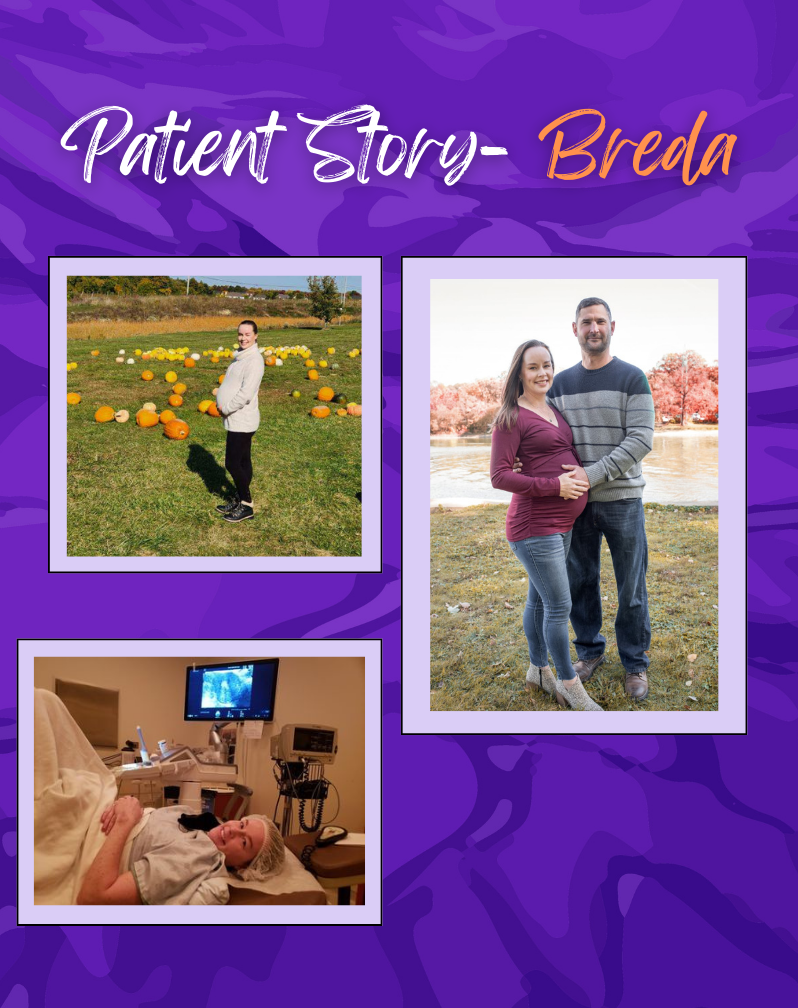
Patient Story- Breda
“Not everyone will understand IVF or be able to relate, so it’s important to surround yourself with support. More people than you realize struggle with infertility.”
Today’s patient story is from Breda. After not finding success or feeling comfortable at another fertility clinic, Breda came to us. We are all glad she did! Dr. Miller was able to diagnose her with endometriosis and after surgery and IVF, she was able to get pregnant. Breda is due in January!
Breda writes:
I met my husband later in life and we got married when I was 38. I was and still am wary of the stigma of older mothers, even though being older is accepted. I’ve always wanted a family and we started trying right away, but I had three miscarriages in a year and a half. I was at a different fertility clinic for a year, but didn’t feel comfortable there. My husband’s colleague recommended we see Dr. Miller and what a difference!
We first met online during COVID and Dr. Miller told us, “You’ll be a mother, kiddo.” He was so kind, didn’t rush us, and he explained everything. He learned I was an English teacher and told me a story that put me at ease. He never stopped his storytelling, and I welcomed his personable demeanor after some bad experiences at the previous clinic. Dr. Miller found issues that the previous doctor did not, including endometriosis.
After a biopsy, Dr. Miller found abnormalities in my uterus and I was diagnosed with Level 1 endometriosis. During surgery, he removed five spots on my uterus. I also had the Endometrial Receptivity Assay biopsy to determine the receptivity of the uterus to implantation. Soon after, we had an egg retrieval and two transfers.
Throughout this process, Dr. Miller and his staff explained everything so thoroughly and never seemed irritated or disinterested when I had questions. I also got to know Dr. Miller and the nurses because they talked to me during appointments. I always felt people cared and were invested in our success. I felt so secure going into our procedures and never felt anxiety or stress visiting the office.
Even though our first transfer failed, a second embryo implanted and I will never forget that experience. Dr. Miller, Courtney, and Melody were present for the transfer, and made me feel so comfortable. Dr. Miller even told us a funny story about meeting an actor from Will & Grace. While we waited after the transfer, my husband and I held hands and prayed, and we also talked about how wonderful it would be if it worked. Many times, we dreamed of finishing our nursery and being able to move forward with our plan. The transfer worked, and our baby is due January 8, 3.5 years after we began IVF and what seems like a million doctor appointments.
I was very nervous the first 12 weeks of my pregnancy and braced myself for bad news, but at every ultrasound Courtney reassured me with her positivity. We are so grateful for everyone at the Naperville office.
It took until I was about 20 weeks pregnant for me to relax and realize we’re finally going to be parents! I’ve cried many happy tears for a change! Not everyone will understand IVF or be able to relate, so it’s important to surround yourself with support. More people than you realize struggle with infertility. Meditation and journaling are helpful (as well as long walks with our dog, my first baby). Finally, never stop hoping and praying, even if you’re an older mother!
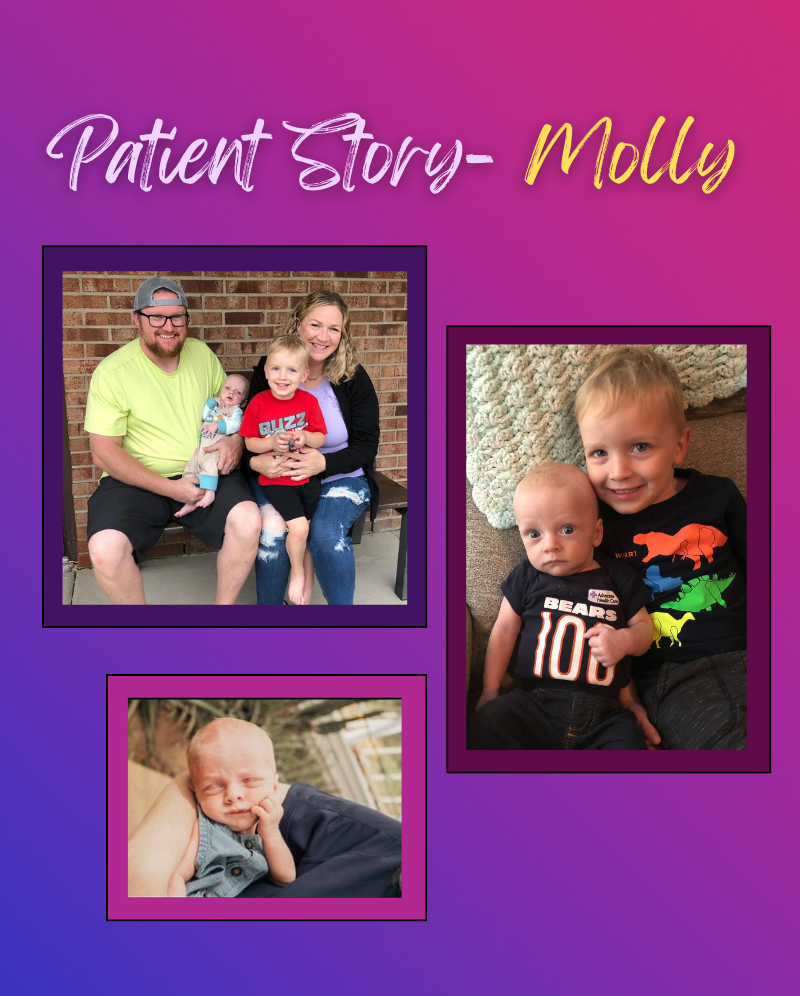
Patient Story- Molly
“We have been so blessed that I know all the pain and suffering we endured was worth it.”
We’re featuring Molly’s story today! Molly’s story is unique because she was diagnosed with unexplained infertility. This is a tricky diagnosis, because even after testing a cause cannot be determined. When this is the case, there is a lot of trial and error in order to achieve pregnancy. But as Dr. Miller always says: “Trust the process.” That’s just what Molly did and now she has two beautiful sons. Read her story below.
I first became a patient of Dr. Miller’s in 2012 when I had a myomectomy, a surgical procedure to remove uterine fibroids. After getting married and trying for several months to get pregnant, a co-worker suggested I see Dr. Miller, but this time as a fertility specialist. At our first appointment, Dr. Miller ordered blood work and a hysterosonogram which is an ultrasound exam that provides images of the inside of the uterus to help diagnose the cause of abnormal vaginal bleeding. However, everything came back fine. I was told I had unexplained fertility. This wasn’t the news I wanted to hear! It would have been easier to have a specific reason for why I could not get pregnant.
I was put on medication for thyroid and prolactin issues. After a month on the medication, it was advised we try an IUI. We failed all three attempts. Dr. Miller said IVF would need to be our next step. Soon after, my retrieval resulted in 26 eggs! My husband and I were so excited, our dream of having a baby was one step closer.
However, we were unable to do a fresh transfer at that time because I was borderline for Ovarian Hyperstimulation Syndrome (OHSS). This occurs when a woman’s ovaries swell and leak fluid into the body. This condition is temporary and occurs in less than 5% of women who receive fertility treatments. Instead, we ended up freezing 8 embryos. About two months later one embryo was successfully transferred. It was a strange feeling, because I was so happy and terrified at the same time.
After graduating from Dr. Miller’s office, my OB/GYN monitored me closely and that little embryo was born at 34 weeks gestation. Again, I was happy and terrified at the same time. Thankfully our little boy was healthy and strong.
After our son turned 18 months, we decided to start the process to have another child. We decided to follow the same protocol as before and do a transfer in three months. Unfortunately, it failed. After meeting with Dr. Miller again, he advised us to do a trial cycle with an Endometrial Biopsy (EMB). An EMB tests whether the uterine lining is preparing itself adequately for implantation of the embryo. If the lining is out of phase, it can prevent implantation from occurring or result in an early miscarriage. Because the results of my EMB were abnormal, I was treated with progesterone. The following month we had another transfer and it was successful! We welcomed our second baby boy this June./p>
Our two little boys are thriving! We are so happy we found Dr. Miller and are so grateful for everyone in the office as well as Dr. Deutch who did our last transfer. Our advice to other couples going through infertility is to know that you are strong, brave and deserve to be parents. Don’t ever give up! We have been so blessed that I know all the pain and suffering we endured was worth it.
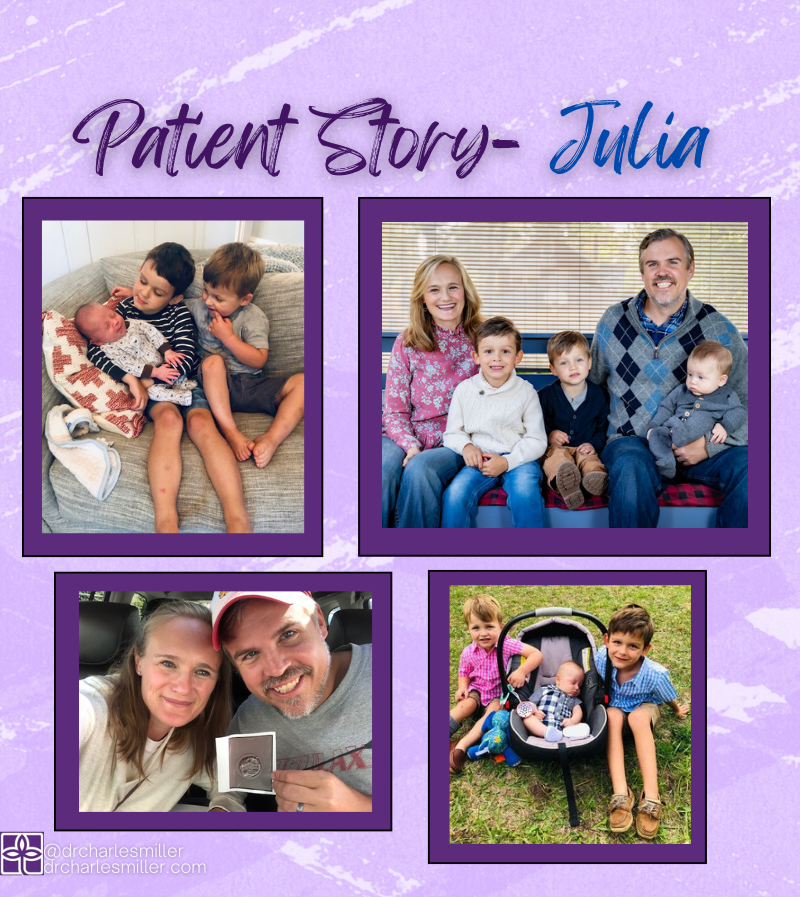
Patient Story- Julia
“This is why you keep fighting; so that you can have peace. Whatever outcome will bring you peace, that is what you fight for.”
Julia is a patient that our office has known for quite some time. She recently welcomed her third baby boy and we have enjoyed getting updates and pictures throughout the years. A seasoned IVF veteran, Julia has been through it all and yet she is incredibly candid about her experience. This openness has led her to volunteer to answer calls for the Resolve support line twice a month. While there aren’t many calls, she is so grateful when she gets to speak to someone and give them some hope. We are so grateful that Julia has shared her story.
She writes:
The other day, I took my two older boys to the fire station open house. It was absolutely packed, it seemed like everyone from our town was there. I looked around at all of the children, moms, dads, siblings, grandparents, etc. and had a moment of self-doubt.
“I don’t belong here,” I thought to myself. “This event is for families.”
As if on cue, my middle son reached up to hold my hand, and my older son ran ahead and called out for me. “MOM! This way, follow me!”
I was instantly brought back to reality, my feelings of insecurity disappearing and belonging restored. I am a mom (of three boys!), and I DO belong at family events, school drop-off, parent-tot classes, parks and baby pools, and in the club that is Parenthood.
The lingering grief and pain of infertility can rear its ugly head at the strangest moments, like it did that Saturday morning. I remember the feeling of fear so well; the fear that I would never become a mom. I know all too well how painful the treatments and the unknowns are as I fought long and hard for my boys. However, I also know the peace that comes from a dream achieved. I want to instill hope in anyone who has that fear and pain, who is in the throes of fertility treatment, who is struggling with self-doubt and the unknown.
I have three beautiful and healthy boys. They are almost perfectly spaced apart; 2.5 years. From the outside looking in, we are a very typical family. And in most senses, that is correct – except for how our family was created.
We waited four years for our first son. I worked for one year with my ob-gyn and Clomid. I then had six stimulated rounds with my first fertility specialist and one miscarriage. When I met Dr. Miller, I had two more failed IVF rounds before we chose to use a donor egg. I had a polyp removal surgery. I did three trial cycles to determine the optimal window for an embryo transfer. We lost our first donor due to poor response to stimulation while I was on hormones alongside her. With our second donor, my first transfer was a blighted ovum that ended in two separate D&C surgeries. After extensive blood work, I was diagnosed with MTHFR, a genetic blood-clotting disorder that can affect implantation.
On November 9, 2016, my 13th cycle, I became pregnant with my first son.
Charlie was cycle 13. James was cycle 15. John was cycle 16.
I share the details of my journey not to overwhelm you, but to give you strength. Maybe your journey will be shorter than mine. Maybe it will be longer. It often felt daunting, hopeless at times, and never-ending. I remember the receptionist at Dr. Miller’s office pulled out my file. It looked like several copies of the Yellow Pages stacked on top of each other. During one of my meetings with Dr. Miller, he put his hand on top of that file and said, “Julia. We haven’t been through this much, for you to not get pregnant. I WILL get you pregnant.” I trusted him and pushed forward despite the fear and pain.
This is why you keep fighting; so that you can have peace. Whatever outcome will bring you peace, that is what you fight for. And you will know when that time comes. People ask me how I did it. They want to know how I managed the appointments and driving, the shots and tests, the physical side effects and emotional trauma, the disappointment and the grief.
I tell them the truth; you just do it. You have to keep going so that you can have your peace.
I promise that the grief and fear will fade with time. It might make an appearance here and there after you have achieved your dream, but that is just a little bit of PTSD from the journey. It will fade. You will hold your little miracle, you will walk with your child at the fire station open house, or into that parent-tot gym class, or to the first day of preschool, or story hour at the library and you will belong. You will feel peace.
Believe in Dr. Miller. Believe in his nurses, the ultrasound techs, the phlebotomist, his entire staff. Throw in some prayers, push forward, and wait for your time to come.
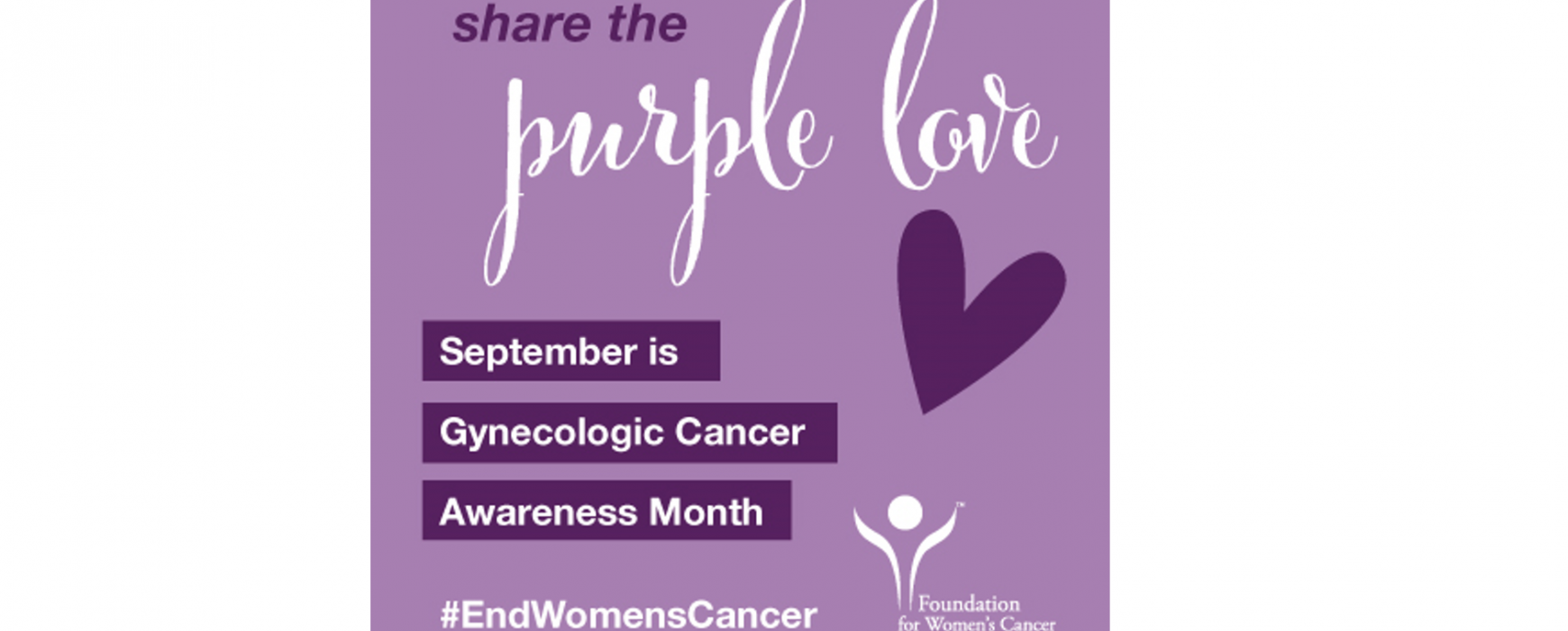
Recognizing Gynecologic Cancer Awareness Month: The Importance of Hereditary Cancer Screening
Did you know September is Gynecologic Cancer Awareness Month? The five main gynecologic cancers consist of ovarian, uterine/endometrial, cervical, vaginal and vulvar. According to the Foundation for Women’s Cancer, more than 109,000 women will be diagnosed with a gynecologic cancer this year. That’s why it’s important to screen our patients regularly or recommend genetic testing if family history does in fact point to these gynecologic cancers.
Female gynecologic cancers can be sporadic, meaning, it doesn’t have to run in the family for the cancers to appear. You may not love your annual pap smear, but the quick, non-invasive test allows us to screen for cervical cancer and signs of pre-surgical changes. You also may dread the day of your screening mammogram, but it can help us detect changes to your breasts that cannot be felt with an exam, as well as early changes that are otherwise undetectable. If cancer is identified, our goal is to find it in its earliest stages to have better chances of eliminating it. As such, these screenings, although sometimes uncomfortable for you, can be lifesaving.
Despite the fact most cancers are not inherited, there are some family histories that are concerning for inherited forms of cancer. For example, when you visit your doctor, you are asked about your personal and family history for high blood pressure, stroke, diabetes and heart disease AND we also ask about any cancers in your parents, grandparents, aunts, uncles, siblings and children. If your family history does point to gynecologic cancers, we may recommend early and more frequent screening than the general population or determine you are a candidate for genetic testing.
Genetic testing evaluates your DNA (genetic material), and identifies whether you may have a genetic mutation (change in your DNA) that places you at an increased risk for developing different types of cancer, depending upon which mutation you have. Some mutations include the BRCA mutation that places women at increased risk for breast or ovarian cancer or Lynch syndrome that places one at increased risk for ovarian, uterine and colon cancer. It does not test your cells to see if you currently have cancer or will develop cancer, but instead gives you information on whether you have an increased risk of cancer compared to the general population.
Genetic testing involves counseling about what information the test can provide, the recommendations based on the test results, and the limitations of the test. If you and your physician decide that you are a candidate for testing, your blood is drawn and your results will return in 2-3 weeks. If you test negative it does not mean that you will never develop cancer, but rather you do not have a known inherited mutation that places you at increased risk for developing certain types of cancer. Conversely, if you test positive it also does not mean that you are definitely going to develop cancer, rather you have an elevated risk of developing certain types of cancer (range of 4%-80% risk depending upon the gene and type of cancer). For those that test positive, counseling can be provided and next steps will be discussed.
At the Advanced Gynecologic Surgery Institute, we are dedicated to you as your health advocate. We are here to offer you the best possible support and expertise through our many years of experience. If you want more information regarding hereditary cancer screening and testing, please contact our office: https://drcharlesmiller.com/request-a-consultation/.
To your continued health,
-Dr. Kirsten Sasaki

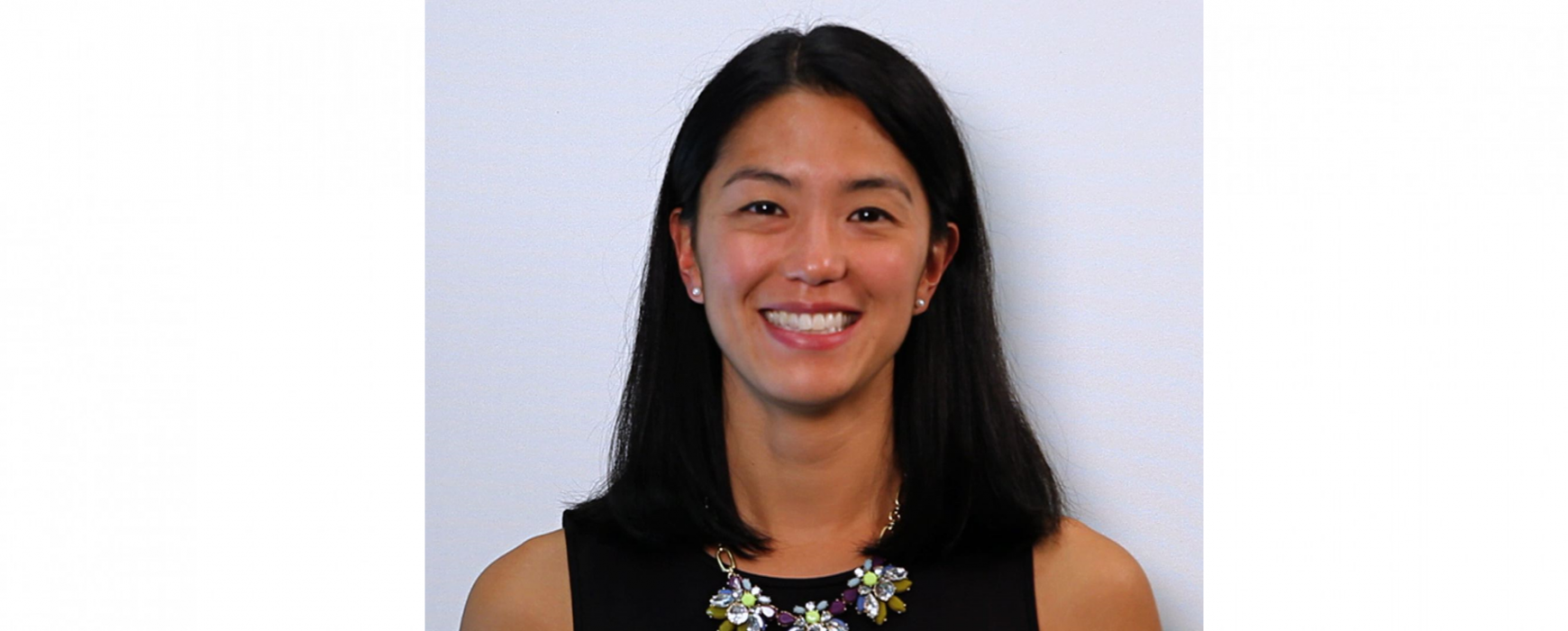
Meet Dr. Kirsten Sasaki: Educating and Empowering Patients
I love being a gynecologist because I have the privilege to help women achieve better health. My goal as a doctor is to educate, inform and empower my patients so that we can work together as a team. Gynecology is a sensitive field and let’s face it, we all know how awkward an appointment and exam can be. I want women to feel comfortable discussing their concerns and issues without any judgement.
Often as the caretakers of their families, women push their own health aside. It is my job as a physician to work with my patients to ensure they prioritize their own health so they can continue to be healthy, strong and present for their families and loved ones.
Additionally, during many of my consultations, I act almost as a teacher by drawing figures and diagrams to help my patients and their family fully understand their disease and the various treatment options. So, when it comes time for treatment, the patient, her partner and her family are well-informed and ready for the next step. It is so important that patients know what to expect during and after their procedure. Listening to their worries, answering their questions and assuaging their anxieties is also a crucial part of the treatment process. I want to know what concerns them and want them to feel at ease that I have it covered. As I said, we are a team, and as a teammate I must work with my patient and guide her hand-in-hand through the process.
It’s almost ironic because not only do I consider myself a teacher of medicine, but I am also an eternal student. I have a love of learning, and practicing medicine allows me to consistently learn new things. Every day and every patient are always different and give me the opportunity to learn as I heal.
The best part of being a doctor is seeing and talking with patients I have helped. They are able to move on and enjoy their lives without having to deal with an issue that plagued them – for days, weeks or even years. Each patient has her own story, problems and goals and I love getting to know my patients in order to determine the best individual treatment plan.
I look forward to contributing more blog posts and helping women feel empowered to be an active participant in their healthcare. Reach out to us in the comments below, contact us through our website and be sure to follow our Facebook page.
Be Well,
Dr. Kirsten Sasaki
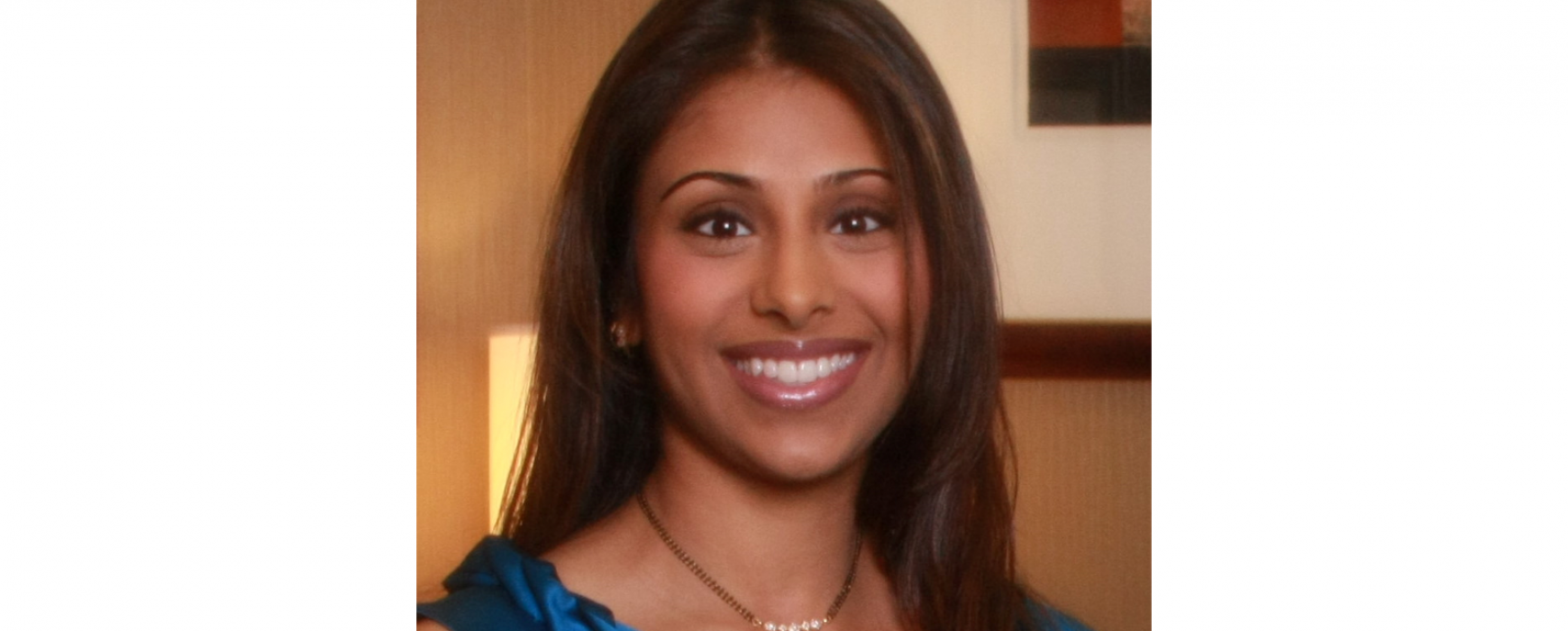
Introducing Dr. Cholkeri-Singh: Healing with Heart
When I first heard our practice was starting a blog, I couldn’t wait to write my first post. I plan to write about a variety of topics, but thought it was important for you to get to know me, understand the reason I became a physician and why helping women is so important to me.
My journey into medicine began when I was only five years old. I watched my mom struggle with a medical condition, and I desperately wanted to help fix her. As I grew older, my mom had us volunteer in shelters, and I began to enjoy servicing my community. It was then I figured out how to combine the two passions – becoming a physician would allow me to help my community and heal those with medical issues.
I specialize in gynecologic care and surgery, and I can’t imagine doing anything else. Going through my clinical rotations as a medical student, I was exposed to a variety of specialties. At first, I was drawn toward primary care because of the appeal of building long-term relationships with my patients, but at the same time, I was intrigued by surgery and the journey it takes to help cure a patient of his/her suffering.
My competing interests made it difficult for me to pick a specialty, and it wasn’t until my last medical school clinical rotation in OB/GYN that I knew for sure where I wanted to be. This field allowed for continuity of care with women while also incorporating surgical therapy for those where primary medical therapies failed. I was drawn to the subspecialty of minimally invasive gynecologic surgery and pursued a fellowship to refine my skills in surgery. This has enabled me to offer advanced surgical solutions to my patients with improved recovery times, and I am truly grateful that I am able to fulfill my childhood dream as a result.
As a physician, I understand that my patients want to feel heard and validated. They motivate me to listen, be patient and go the extra mile. I always try to be humble and treat patients to the best of my ability while constantly striving for excellence in care.
The best part of my job is receiving the smiles, the hugs and thank yous from patients whom I have helped. Whether it be providing medical counsel or performing a successful surgery to improve quality of life, their gratitude is priceless to me.
As a leading educator in the world, I am very thankful for the opportunities to teach and learn from colleagues across the globe. Not many physicians have this opportunity, so I embrace the opportunity, and I have grown significantly as a physician and human being because of it.
As Dr. Miller said in his post, we truly want this blog to be a resource for our patients and others looking for support in meeting their health goals. I’m excited to be a part of this blog and look forward to hearing from you. Reach out to us in the comments below or contact us through our website and be sure to follow our Facebook page.
Wishing you the best of health,
Dr. Cholkeri-Singh